
The Impact of the War in Ukraine on the Indian Economy Too
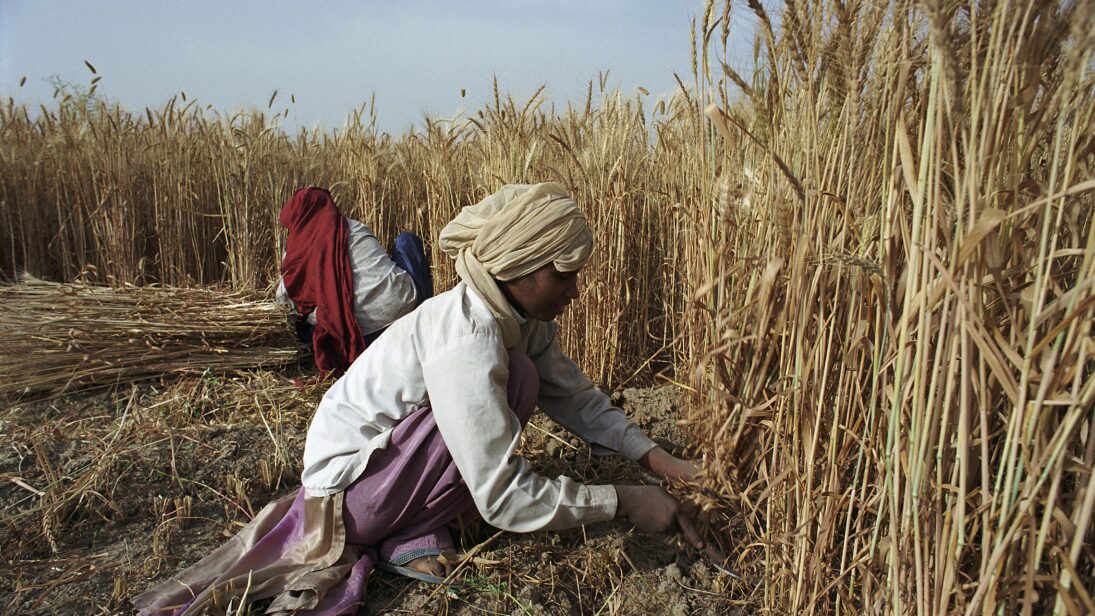
The Indian Rupee recently plunged to a record low of 77.9 against the US Dollar amidst growing uncertainty within domestic equity markets. Two principal factors are directly responsible for this decline in the value of the Indian Rupee. First, the large current account deficit that the Indian economy had incurred over many years. Second, the decrease in Foreign Direct Investment (FDI) due to the flight of investors into safer havens like the United States because of the ongoing war in Ukraine. India has also banned wheat exports citing a risk to its overall security as the war has worsened rising inflation rates. This has caused significant concern among international stakeholders: India’s wheat ban has led to a rise in wheat prices by six percent as Ukraine, a leading global breadbasket, is unable to supply the planet with agricultural produce.
Some analysts believe that despite the prevailing crisis, the Indian economy will register high growth rates on account of the “structurally robust nature of the Indian economy”— high tax collections, increasing service sector exports and a mood of innate optimism within the markets because of sustained domestic demand. But current developments suggest that the Indian economy has been adversely impacted by the war. The war has deepened existing vulnerabilities in the Indian economy domestically by compounding existing financial problems—supply-demand gaps in the availability of essential daily goods to the consumers, in addition to rising commodity inflation, has dented the Indian economy. The war in Ukraine has underlined that the Indian economy is not immune to international shocks—India’s market economy is closely integrated with the world market, indicating complex interdependencies. While the Indian market is fuel dependent today, this war has provided India with the opportunity to reassess its priorities and attempt to shift from being a fuel dependent economy to a greener one, reducing its dependence on autocratic states.